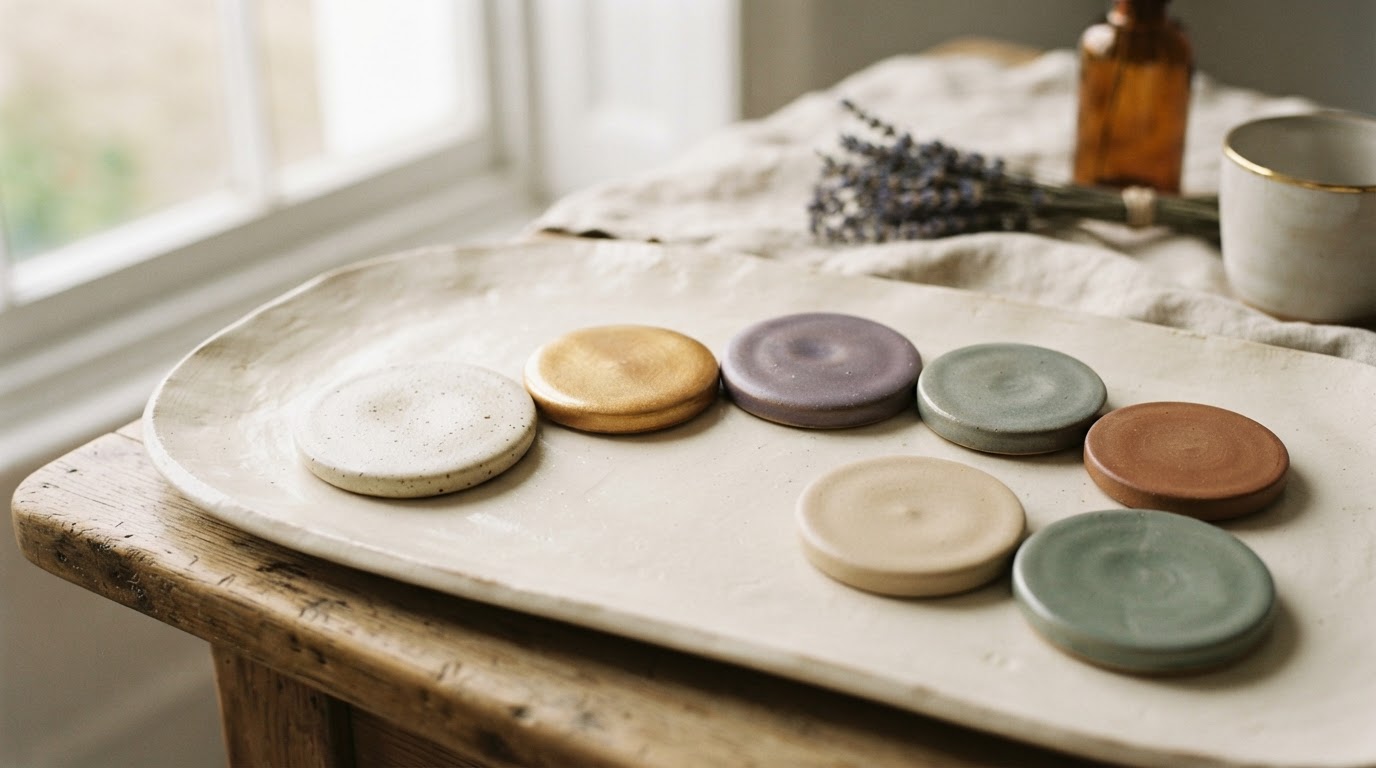
Explore three spiritual frameworks and use their symbols as prompts for personal reflection.
Three frameworks for three different questions
The seven-chakra framework can help organise a journal page around a theme such as expression, care or creativity. Aura colours can prompt a question about the personal meaning of a colour. White-light imagery gives you a way to open or close a reflective moment. There is no need to use the three practices together. If you do, decide which one will help you choose a question and which one will help you close the exercise. These practices belong to spiritual and symbolic traditions. Apply them to what you want to reflect on in daily life.
Use chakras as reflection prompts
Treat the model as a framework for reflection
In some spiritual traditions and contemporary practices, chakras are understood as energy centres and given symbolic associations. There are different versions of the framework. This guide uses the seven-centre model as a way of asking questions about daily life.
Start with the seven common associations
Root is commonly linked with security and support, sacral with creativity, solar plexus with agency, heart with care, throat with expression, brow or third eye with insight, and crown with spiritual connection. The names are prompts. For example, under expression you might ask what you would like to say plainly this week.
Pick one centre and make it practical
If security catches your attention, ask which ordinary things help you feel settled: a familiar walk, a call with a friend, or a tidy workspace. Choose one to try. If creativity matters more, give a small project ten minutes. Use the framework to organise your reflection rather than to explain physical symptoms.
Three prompts to start with
For care, ask ‘Where am I offering time I don’t have?’ For expression, ask ‘Which sentence would help someone understand what I need?’ For creativity, ask ‘When did I last make something just to see what would happen?’ Pick the question that fits a situation you can describe. Give yourself five minutes to write an answer.
An example of turning symbolism into action
Imagine you choose the throat chakra because a conversation at work has been on your mind. Write the first sentence you would like to say and shorten it until it feels clear. You might try ‘Can we agree who will handle the final review?’ Practise it once and decide when to ask. When you come back to your journal, review the conversation in terms of what was said and what changed.
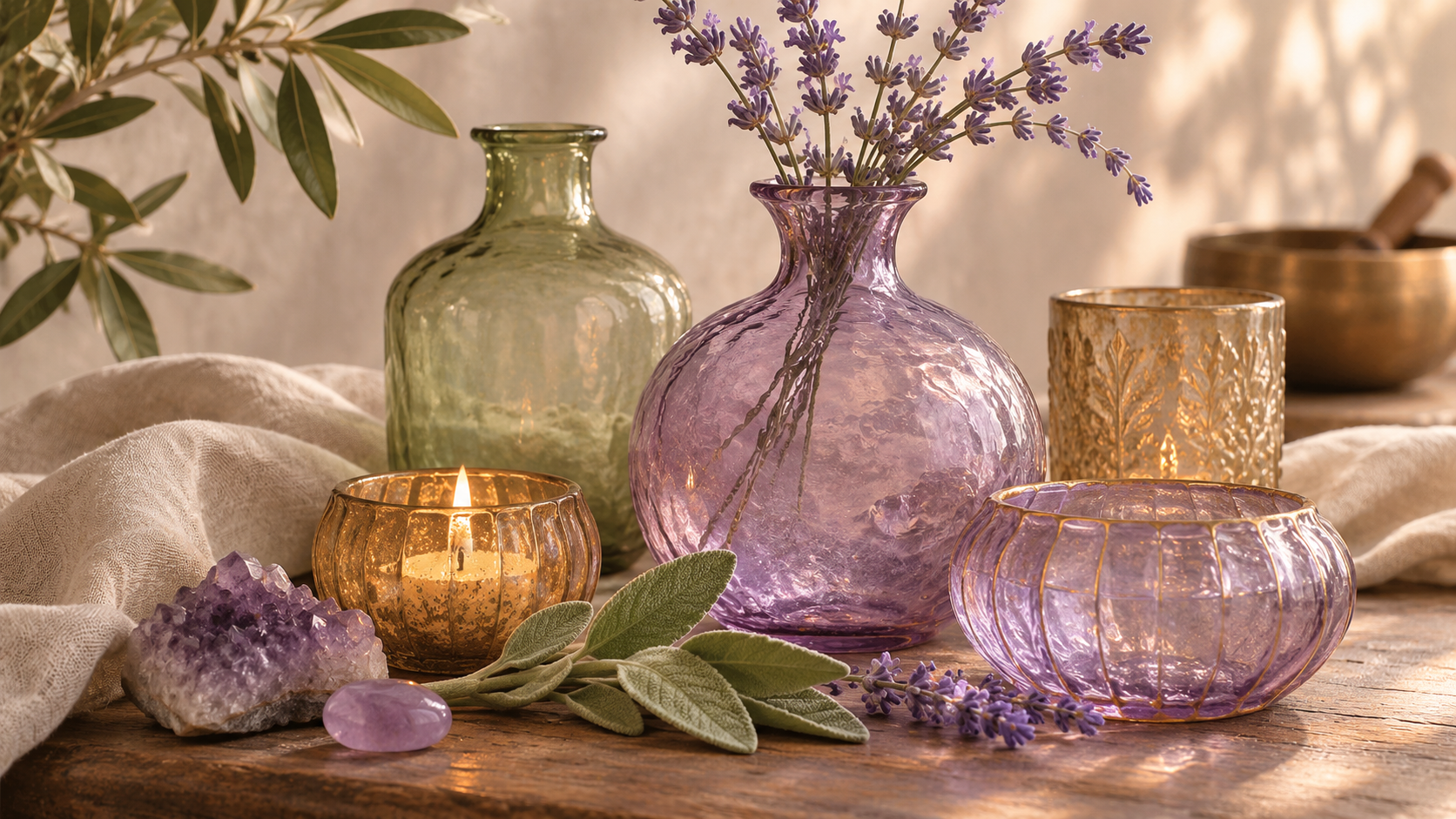
Explore personal meanings of aura colours
Ask which framework you’re using
In some spiritual practices, the aura is understood as an energy field around a person. Some readers use colours as a language for impressions, and interpretations vary. You might encounter green linked with growth, purple with spirituality or blue with communication. Those are examples of symbolic readings.
Try a colour association exercise
Pick a colour you’ve noticed frequently today. Write where you saw it, what it reminds you of and whether that association changes with context. A bright blue sky and a blue uniform can prompt very different thoughts. Let the colour open a question, such as ‘Where would I like a little more space?’
Give other people the lead
If you share an impression with someone, ask what the colour means to them and take their answer seriously. A colour association can prompt a conversation, but it can’t establish someone’s feelings, health or character. Let the exercise end wherever the other person wants it to.
Compare a colour in two contexts
Think about sage green in a garden and in a waiting room. The colour is similar, but the settings can prompt different associations. Write what each setting brings to mind. Then consider what would make those associations change, such as who was there or how the room was lit.
Use open wording when sharing an impression
Try ‘That shade reminds me of growth. What does it bring up for you?’ Give the other person time to respond and take their answer as their own. If they say it reminds them of a school uniform, follow their association or move on if they prefer. This gives the exercise room for different personal meanings.

Try a white-light visualisation
Choose what the image will mark
Some spiritual practices use white-light imagery to mark a moment of reflection or set an intention. You can adapt it as a symbolic transition before opening a journal, beginning a reading or taking a moment for reflection. Choose an intention such as ‘I’ll give myself a few quiet minutes’.
Use the light you already know
Picture daylight falling across a chair or your hands. Imagine its colour and how it changes near the edge of a shadow. Keep the image small and ordinary if that feels easier. If you don’t visualise easily, look at the actual light in the room and notice where it falls.
Close with a clear action
Finish by putting your feet on the floor, writing your reflection question or straightening a sheet of paper. If you use the ritual to remind yourself of a boundary, decide what that boundary means in practice. It could mean silencing notifications for ten minutes or letting someone know when you’re available.
Adapt it for a shared or busy space
If you are waiting to begin a conversation, give the exercise a quiet cue that others needn’t notice. Look at the light on a table, rest your hands and decide what you want to bring to the conversation. It might be a willingness to ask a question before offering advice. If you have only a few seconds, a glance at the light and a short intention are enough.
A reflection prompt for after the practice
Ask what changed in the way you approached the next moment. Perhaps you spoke more slowly or remembered the question you wanted to ask. If you can’t identify anything, describe the setting in one sentence and try a simpler cue next time. The value of the image is personal. Use the version that helps you remember what you want to do.
A worked example using expression as a theme
Imagine you have a conversation coming up and want to be clearer about what you need. Use the throat chakra as a prompt to think about expression. Write down the request in one sentence. If a colour helps you stay with the idea, choose a shade that brings a personal association to mind. It could be blue because it reminds you of a quiet place where you find it easier to explain yourself. Close with a brief white-light visualisation, then read the sentence aloud. The action to take into your day is the conversation and the words you’ve chosen for it.
Keep symbolism open in a shared practice
If you reflect with someone else, ask what a symbol means to them before offering a meaning of your own. Say, ‘I was drawn to this colour today. What, if anything, does it make you think of?’ They may associate it with something quite specific or have no response at all. Give them room to choose what feels relevant. For a group activity, offer paper for people who prefer to write privately and leave time for those who want to pass. This keeps the exercise grounded in each participant’s own interpretation.
A ten-minute journal format
Spend a minute choosing a theme. Write a real situation in two lines, then add a colour or image if one seems meaningful. Ask one question about the situation and give yourself a few minutes to answer. End with an action or a question for later. For example, someone who chooses care might notice that they are trying to help a friend at a time when their own diary is full. Their next step could be offering a shorter call or finding another day. Review after trying the step and note what the conversation taught you.
Choose a theme for the week and return to it
If you want to build a longer reflection practice, choose one theme for seven days. For creativity, write down one moment when you noticed something worth exploring. For expression, record one conversation where you said what you meant or one where you want to try again. At the end of the week, look for what repeatedly came up in your circumstances. A theme is useful when it gives you a focus you can remember and examples you can recognise.
How to use the symbols without a fixed script
In one practice you might use a colour card, in another an image of light or a simple written question. Choose the form that helps you stay with the subject. An image can be especially useful if writing feels too formal. A written question may be easier if visualisation is difficult. You could ask, ‘Where could I be clearer about what I am willing to take on?’ and answer it directly. The symbolic practice can accompany the question, and you can adapt or set it aside as your needs change.
Make the reflection your own
Try ‘What does this theme mean in the situation I am actually in?’ before adopting a colour or association you have read elsewhere. If the word ‘security’ suggests a more manageable diary rather than a particular place, use that meaning and consider what would make the week feel less crowded. Write one possible change and review it after trying it. This keeps your practice personal and tied to ordinary experience.
Further reading
Guided imagery overview from the US Department of Veterans Affairs
Want a mini WhatsApp reading with me?
If there’s a question you’d like to explore, message me directly. I’ll share the details for a personal mini reading with me.
Leave a Reply